

As a child transitions from baby to toddler, dietary needs change. Where the majority of an infant’s nutritional needs are met with breast milk and formula, toddlers’ nutrition is based on the decisions that caregivers make when buying and preparing foods.
That’s why it’s so important to understand what a healthy diet looks like for a 1- to 4-year-old. On average, toddlers need about 50 calories per pound of body weight each day to meet growth and energy needs. This is a guideline; your toddler’s appetite may fluctuate day-to-day, but roughly three meals and two snacks each day should be enough to nourish your little one.
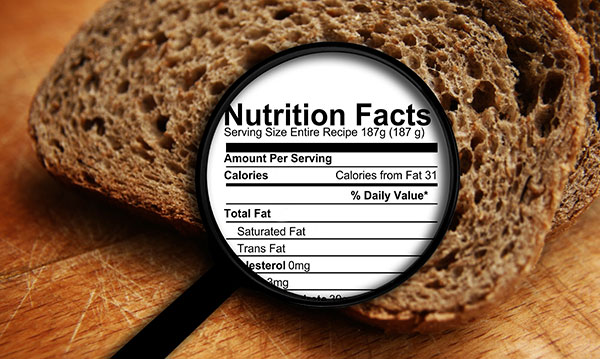
What’s a parent to do? Dr. Keith Ayoob, a nutritionist and associate pediatrics professor at Albert Einstein College of Medicine in New York, offers five simple tips on navigating nutrition labels.
1. Dare to compare. Read the labels and compare brands. Pay attention to quality, not marketing. Next time you’re cruising down the baby food aisle, pick up your favorite toddler food product and turn it around; you may be surprised (good or bad!) by what you discover.
2. Understand ingredients. When you look at the ingredients list, remember that the ingredients are listed from largest to smallest by weight – a food contains the largest amount of the first ingredient and the smallest amount of the last ingredient. If you don’t know what an ingredient is, hop online and look it up.
3. Know the facts on fats. The American Academy of Pediatrics recommends that natural fats in your baby’s diet not be restricted until he reaches age 2. Fat is a good source of energy for your growing tyke. And because fat surrounds your baby’s budding brain cells, it’s important for brain development, too. However, trans fats (i.e., manmade) should be avoided due to their long-term connection to bad cholesterol, heart disease and cancer. Keep in mind that if “partially hydrogenated oil” is on the ingredients list, then trans fats are in the food.
4. Salt assault. Babies require much less salt (often referred to as sodium) in their diets than adults, because their kidneys – which regulate the body’s salt and water content – are still developing. According to the National Health Service, children 1-3 years should consume 2,000 mg of sodium or less per day. Consuming a lot of sodium is not only unhealthy; it also makes toddlers thirstier and can lead to a greater intake of other unhealthy things, like sugary juices.
You might be surprised to find out just how much sodium can be added to foods, even those made for toddlers. For example, Gerber Graduates Pasta Stars with Chicken and Vegetables Lil’ Meal for toddlers has 400 mg of sodium, which is more than a large order of fries at a popular fast food restaurant – while a Beech-Nut Let’s Grow! Chicken & Stars with Vegetables Mini Meal has 160 mg of sodium. Both meals may seem similar, the label shows a significant difference.
5. Limit the refined sugar. Sugar can be tricky to spot, because it’s disguised by so many names: glucose, fructose, sucrose, maltose, maltodextrin, malt extract – to name a few. However, the most common culprit is high-fructose corn syrup. Try to keep sugar limited – and natural.
When you are deciding what to feed your toddler, remember that fresh fruits and veggies are great and should be a staple of every toddler’s diet. The realities of everyday life – work, family, bills, errands, etc.– can sometimes sabotage good intentions. But a nutritious diet for your toddler doesn’t have to be time-consuming; quick, convenient and nutritious options do exist. You just need to know how to spot them!
This post was originally published in 2010 and has been updated for 2016