

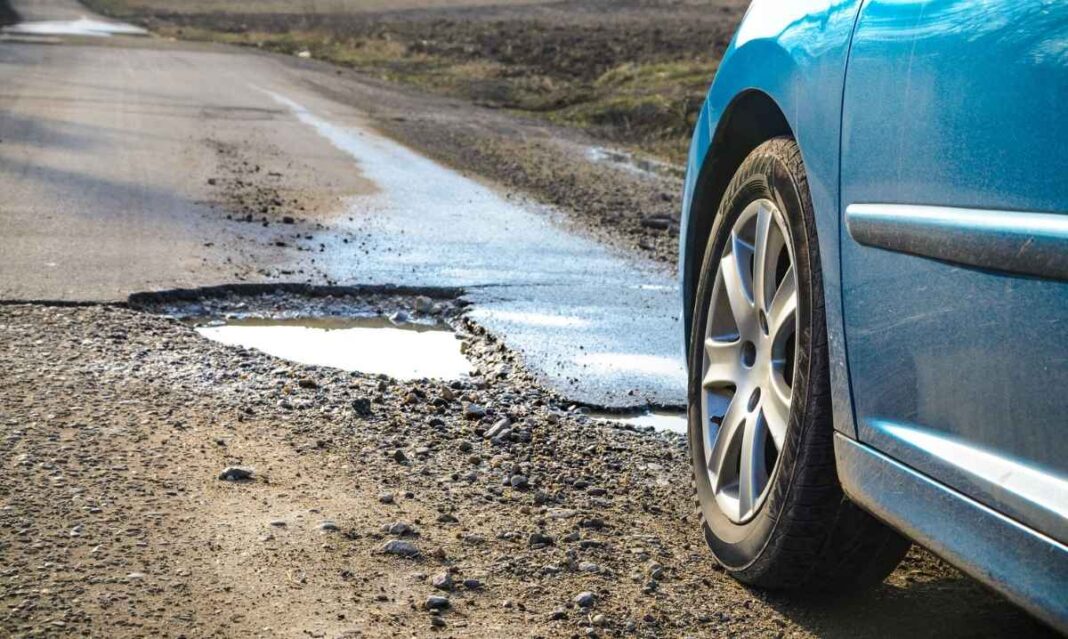
Winter in Southeast Michigan can be tough on drivers and even tougher on their vehicles. The region’s near-constant freeze-thaw cycles cause pavement and asphalt to easily expand, crack and break apart, creating potholes that appear seemingly overnight.
But hitting a pothole can cause more than just a jolt to your daily commute. The impact can damage your suspension, wreak havoc on your wheel alignment and shorten the overall lifespan of your tires. It can also take a toll on your wallet, as a study by AAA found that the average cost of pothole-related repairs is $406.
As spring approaches, now is a great opportunity for drivers to check for hidden damage and ensure their vehicle is ready for smoother roads ahead.
Why potholes are so rough on vehicles
Potholes form when temperatures rise, and water seeps through cracks in the road surface. When temperatures drop, that water freezes and expands, pushing the pavement apart. The repeated freeze-thaw cycle weakens the road until traffic eventually breaks down the asphalt.
For drivers, the impact can be more than an uncomfortable moment. A hard hit can:
- Puncture, damage, or wear tires
- Misalign the steering system
- Bend wheels or rims
- Damage shocks or suspension components
Over time, even a minor hit can gradually affect a vehicle’s performance, potentially leading to issues like reduced fuel efficiency or uneven tire wear.
What drivers can check now
After a long season of rough winter roads, a quick assessment of your vehicle can help prevent bigger repair bills in the future. Consider looking at:
- Tire condition and pressure: Cracks, bulges or uneven wear patterns can be a sign your tires are deteriorating. It’s also important to remember that cold weather can impact your tire pressure, causing it to drop.
- Suspension components: If you notice clunking sounds or rougher-than-usual driving, you may need to check your suspension.
- Visible wheel damage: Bent rims can cause intense vibrations or rough handling.
- Wheel alignment: If you notice the steering wheel feels off-centered or if the vehicle is pulling to one side, an alignment check may be needed.
If you notice any of these warning signs, you may want to consider scheduling a professional inspection or service.
Smart habits for peak pothole season
While potholes can’t always be avoided, there are a few simple steps drivers can take to reduce the risk of damage:
- Avoid braking directly over a pothole when possible
- Keep tires properly inflated to help absorb rough impacts
- Allow extra following distance so potholes can be spotted more easily
- Slow your speed on rough or unfamiliar roads
Spring road repairs and improvements may eventually smooth the ride, but until then, a little extra attention to your vehicle can go a long way toward avoiding unexpected repairs and keeping Southeast Michigan drivers safe on the road.