

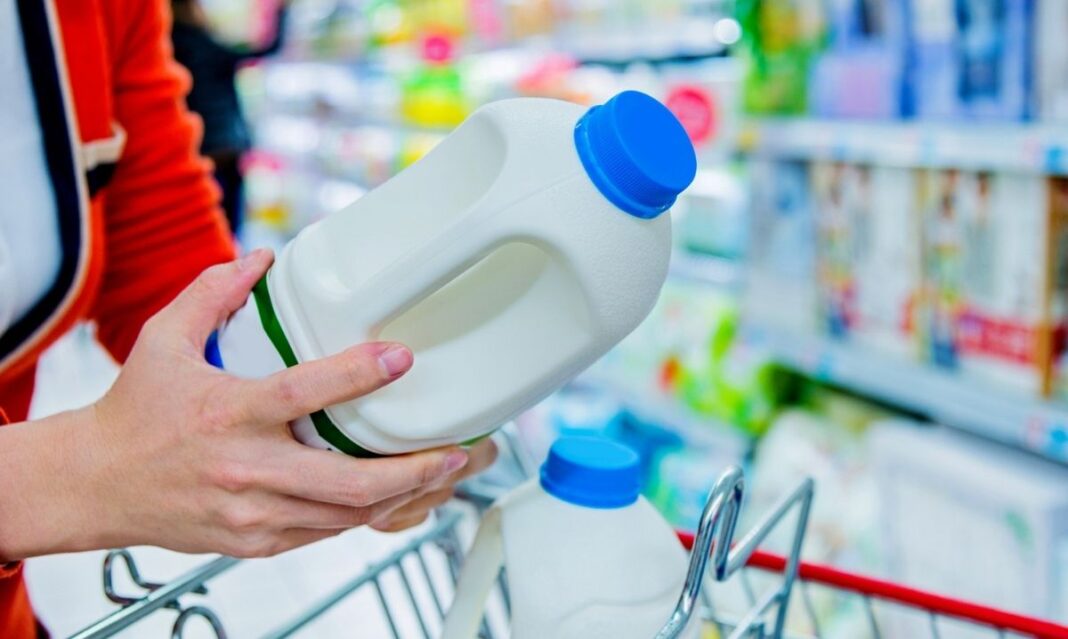
As conversations about food choices grow louder online, many Michigan parents are suddenly hearing more about raw milk. Raw milk is milk that has not been pasteurized, a process that uses brief heat to kill harmful bacteria.
But when it comes to children’s health, context matters. Here’s what parents should know as the debate unfolds.
Common raw milk myths and what parents should know
Myth: Pasteurization removes the good stuff from milk
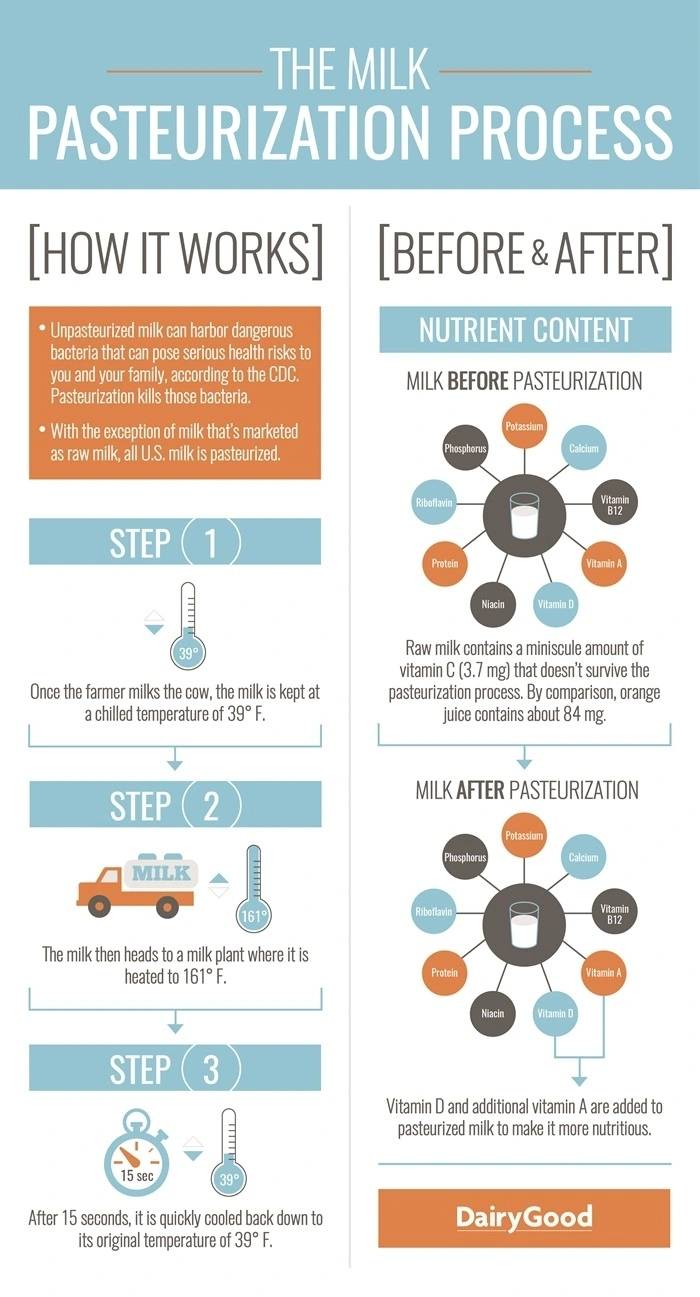
Pasteurization is designed to protect safety without meaningfully changing milk’s nutrition. The process briefly heats milk to a specific temperature to kill harmful bacteria — it does not boil milk or remove essential nutrients like protein, calcium or fat.
According to U.S. Dairy, pasteurization has “zero effect on fats, zero effect on protein and zero effect on minerals,” and only minimal impact on a few heat-sensitive vitamins.
Milk also isn’t sterilized during pasteurization. It remains a nutrient-dense food that supports children’s growth, bone health and development. For families, pasteurized milk delivers the nutrition kids need with far less risk of foodborne illness.
Myth: Raw milk from clean or local farms is safer
Many parents value supporting local farms and assume that careful animal care makes raw milk safe. While good farming practices are important and practiced on dairy farms, they don’t eliminate risk.
Farms are environments where bacteria naturally exist — even when animals are healthy and facilities are well maintained. As U.S. Dairy explains, farms are places where bacteria reside, and even strong cleanliness practices can’t reduce the risk of harmful pathogens to zero.
Harmful pathogens can enter milk during milking, handling or storage, and you can’t see, smell or taste them.
This is why pasteurization became standard practice. It reduces bacteria that can cause serious illness, even when milk comes from reputable, well-run farms.
What’s often missing from the conversation is that choosing pasteurized milk does not mean choosing “non-local.” With about 850 dairy farms and more than 100 dairy processing plants across the state, Michigan dairy is local by definition.
Myth: Raw milk is safe because people drank it for generations
It’s true that pasteurization wasn’t always part of milk production, but that history is exactly why it exists today.
Before pasteurization became common, milk was a leading source of foodborne illness and diseases such as tuberculosis and typhoid fever. Infant and child illness linked to contaminated milk was far more common, and public health systems had limited ways to track or prevent outbreaks.
Pasteurization was introduced as a public health breakthrough to make milk safer, especially for children. It represents progress in food safety, not a move away from nutrition or quality.
Myth: If raw milk becomes legal, it must be safe
If Michigan’s proposed legislation passes, raw milk may become legal to sell. But legality does not equal safety, especially for kids.
Laws reflect policy decisions, not medical guidance. Pediatricians and public health experts continue to advise against raw milk consumption for children because of the higher risk of foodborne illness.
Much of the enthusiasm around raw milk comes from adult wellness conversations. But children aren’t just smaller adults. Children’s immune systems are still developing, which makes them more vulnerable to serious complications from bacteria like E. coli, Salmonella and Listeria. What might cause mild illness in a healthy adult can lead to hospitalization in a young child.
The bottom line for Michigan parents
As Michigan lawmakers debate raw milk sales, parents deserve clear, evidence-based information. Pasteurization was introduced to protect public health, especially for children, and it continues to do that today. Pasteurized milk provides the same essential nutrients families want, with a significantly lower risk of illness.
If raw milk becomes more widely available, understanding the myths and the science behind milk safety can help parents make informed decisions that prioritize their children’s health.
Quick answers parents ask about raw milk
Is raw milk safe for children?
No. Raw milk is not recommended for anyone because it can contain harmful bacteria. Kids’ immune systems are still developing, which increases the risk of serious illness. Health experts recommend pasteurized milk for children.
Does pasteurization remove nutrients from milk?
No. Pasteurization does not significantly change milk’s nutrition. According to U.S. Dairy, it has zero effect on fats, protein and minerals. Pasteurized milk still provides key nutrients kids need to grow.
Does buying pasteurized milk still support Michigan farmers?
Yes. With about 850 dairy farms and more than 100 processing plants, Michigan dairy is local by definition. Many pasteurized dairy products sold in Michigan are made with milk from Michigan farms.
This content is sponsored by United Dairy Industry of Michigan / Milk Means More. Learn more at milkmeansmore.org.
Find more articles like this at Metro Parent’s How to Get Kids to Eat Healthy.