

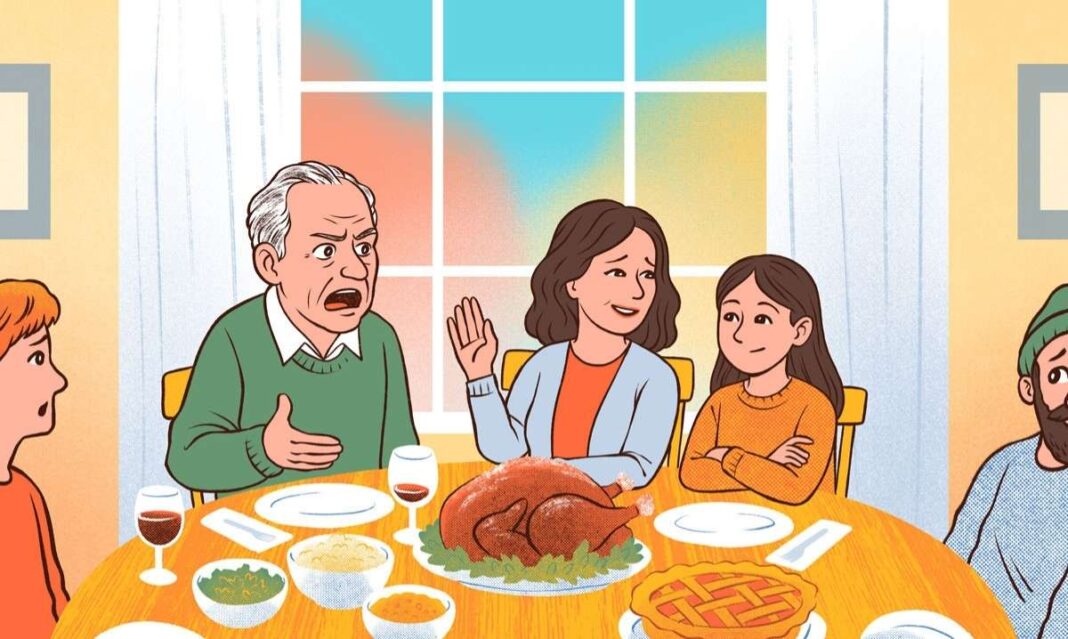
As much as you love celebrating the holidays, spending time with certain family members can turn a joyful season into something you quietly dread. Maybe it’s a cousin who constantly criticizes your parenting, or a parent who guilts you for not doing enough.
Whatever the dynamic, when time with extended family leaves you feeling emotionally wiped out, it’s worth paying attention.
Lisa Papiez, a licensed professional counselor with Great Lakes Psychology Group in Macomb County, says toxic family traits often leave people feeling overwhelmed, exhausted or defeated. You might walk away with thoughts like, “I’m not good enough” or “my feelings don’t matter.”
Notice how family interactions make you feel
When family time leaves you feeling small, unseen or emotionally worn out, it may be a sign of deeper toxic dynamics at play. Over time, these interactions can chip away at your confidence, leaving you second-guessing your role as a parent, child or sibling — or questioning whether your needs even matter.
She notes these patterns often involve:
- frequent criticism
- unfair demands
- refusal to compromise
- emotional manipulation
Toxic relatives might compare themselves to you, minimize your achievements or act dismissive when you try to express your needs. Instead of celebrating your successes, they may compete with you — making you feel less important than them.
Set boundaries — and stick to them
Once you start noticing unhealthy behaviors and patterns, it’s important to understand and accept that you can’t change other people, says Papiez. But here’s the good news: you can change how you respond to them.
This starts with clearly communicating your boundaries. Papiez recommends phrases like “I do not feel comfortable talking about that” or “Please do not speak to me that way.” These simple statements draw a clear line and remind you — and them — that your emotional well-being matters.
Take space when you need it
Sometimes the most respectful choice you can make for yourself is to create distance — physically or emotionally. According to Papiez, this can look like skipping a gathering, not responding to calls or texts, or steering clear of topics that you’re not comfortable discussing.
Toxic family members may push back or try to make you feel guilty when you create that distance. But that doesn’t mean you’re wrong to do it, she says. What matters most is that you continue checking in with how you feel and protecting your emotional safety.
“Empower yourself and understand you do not have to maintain a relationship that makes you feel negative and bad,” she says.
Recognize when it’s time to step away
If a relationship repeatedly causes emotional harm — like anxiety, depression, or low self-esteem — it may be time to consider more permanent distance. When the stress becomes too great and you feel consistently worse after interacting, ending or significantly reducing contact might be the healthiest path forward, says Papiez.
“Recognize that your happiness is worth making the change,” she says. “Identify what this change would look like and how it can be more healthy for you.”
Build your support system
No one should have to navigate family stress alone. Whether you seek out a trusted friend or a licensed therapist, having support can make a world of difference. Papiez encourages people to create a healthy circle they can talk to and lean on — especially when working through toxic relationships.
She adds that therapy can provide tools to manage anxiety and depression, recognize red flags in relationships, and develop boundaries that align with your values.
This article was originally published in 2022 and has been updated for easier readability and search.
This content is sponsored by the Ethel and James Flinn Foundation. Visit flinnfoundation.org.
Find more articles like this at Metro Parent’s A Parent’s Guide to Family Mental Health.