


Eating their first solid food is a milestone in your baby’s life. After several months of only drinking breastmilk or formula, they are finally ready to try something new. And while this is a momentous occasion, it can also feel like a scary step to take. Here are some tips to help you feed your child safely.
1. When to start solid foods
Your baby needs to be physically able to try solid foods, and typically they will be when they’ve doubled their birth weight or weigh at least 13 pounds. This is usually between ages 4-6 months. But it’s important to look for signs they’re ready — such as being able to hold their head up and sit up without support. Around this age, babies typically start showing an interest in food and may try to grab something off your plate or out of your hand, or open their mouths if you bring food near them.
2. Best first foods for your baby
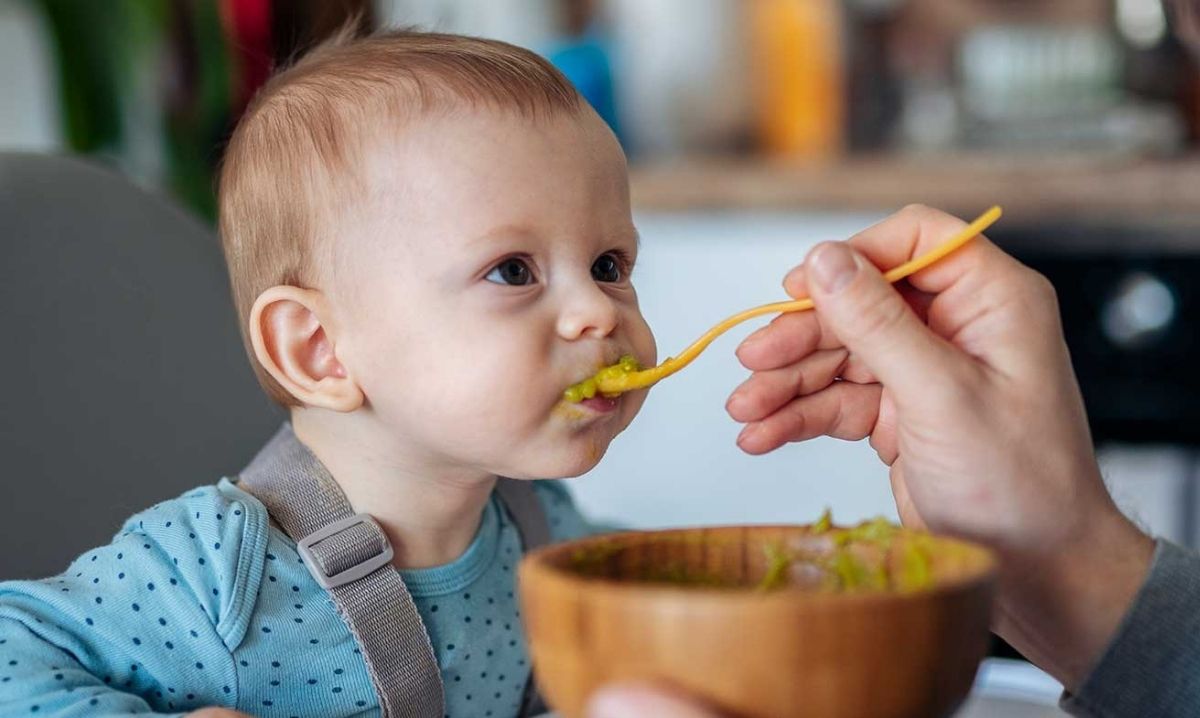
Many parents start with simple rice cereal for baby’s first bites, but that’s not your only option. Try purees of fruit or vegetables — such as carrots, bananas, apples or sweet potatoes. The natural sweetness of those foods can make them more appealing to your baby. Whether you make your own purees or buy baby food, make sure whatever you’re feeding your baby is a single-ingredient food. Ideally, it should have no added salt, sugar, flavorings or colors. Whatever foods you choose to start with, you can ease the taste transition by mixing it with a little bit of breastmilk or formula. No matter how excited your baby is about trying solids, expect some rejection. Your baby will probably roll the food around in their mouth as they experience it and may just spit it right back out. If they didn’t like it, wait a couple of days and try again. It can take up to 15 times of trying a new food before your baby starts to take to it.
3. Foods to avoid
New parents are often concerned about food allergies, which can make introducing new foods nerve-wracking. Dairy, eggs, fish, soy and nuts are common food allergens. But there’s no evidence that waiting beyond four to six months to introduce those foods can help prevent your child from developing food allergies. Give your baby the same food for three to five days to see if they have any reaction to it. There are exceptions, however. If your baby has known allergies or eczema, or if either parent or a sibling has severe food allergies, consult an allergist about what foods to introduce and when.
Once your baby can sit up and bring their hand to their mouth, you can begin offering finger foods. At this stage, it’s important to give your baby only soft, easy-to-swallow foods cut into small pieces. Good options include well-cooked pasta, scrambled eggs or pieces of banana or avocado. Avoid anything that’s hard to chew or that’s large enough to get caught in their throat.
4. Creating a balanced diet for your baby

It’s important not to confuse introducing solids with transitioning to an all-solid-food diet. The majority of their nutrition at this point will still come from breastmilk or formula. Don’t cut back on breastmilk or formula until babies are around 7-9 months. During those early months of eating solid foods, the idea is to help your baby get used to the experience of eating.
It’s important to introduce your baby to a variety of tastes and textures to help their tastebuds develop. A good variety of food also provides them with a variety of important nutrients. Parents also wonder about how and when to introduce other liquids to their baby. Babies don’t need extra water in their first 4-6 months. If you want to offer water with solid foods, just be sure to limit it to no more than 8 ounces a day. And skip the juice altogether. Babies don’t need it and shouldn’t have any until they’re at least 1 year old.
At our Pediatric Gastroenterology Advanced Feeding Program and Center of Nutrition, our child nutrition and feeding experts offer the most advanced, personalized care available. To request a consultation or learn more about our pediatric primary care and specialty services, visit henryford.com/pediatrics.