


Choosing a college is one of the biggest decisions Michigan families make together. Between cost, location, academic programs and long-term outcomes, the process can feel overwhelming for both parents and students.
This choosing a college checklist breaks the decision into clear, practical questions families can walk through together. Whether your child is considering a Michigan community college, a public or private university or an out-of-state option, these questions can help you compare choices realistically and focus on what matters most.
How much does college cost for Michigan students?
College costs vary widely for Michigan students based on the type of school they attend and where they live.
For many Michigan families, the most affordable option is often an in-district community college or an in-state public university after financial aid is applied.
Total college cost typically includes:
- Tuition and mandatory fees
- Room and board
- Books and supplies
- Transportation and personal expenses
Costs can look very different at an in-district community college, a public four-year university or a private college. Scholarships, grants and state-based aid can significantly reduce what families actually pay.
For a closer look at tuition costs at different types of Michigan colleges and universities, see our guide to how much college costs in Michigan.
What should your child consider when choosing a major or program?
Some students enter college with a clear career goal. Others are still exploring, and that’s completely normal.
When comparing colleges, families should ask:
- Does the school offer strong programs in areas your child is interested in?
- Are there clear pathways for students who are undecided?
- Does the program include internships, clinical experiences, co-ops, or hands-on learning?
For career-focused fields like healthcare, engineering, education, or skilled trades, look closely at program accreditation and job placement outcomes. Schools with strong connections to Michigan employers often provide smoother transitions from college to career.
What type of college setting helps your child thrive?
The size and structure of a college can shape a student’s academic and social experience.
Some students thrive at large universities with hundreds of majors, active campus life and a wide range of opportunities. Others do better in smaller settings where class sizes are more manageable and professors are easier to access.
As you compare options, think beyond enrollment numbers and consider the day-to-day student experience, including both academic support and campus life.
Key questions to ask include:
- What are average class sizes, especially in first-year courses?
- How accessible are professors, advisors, and tutoring services?
- What student organizations, clubs, or activities are available?
- How would your child describe the campus climate and sense of community?
- What are housing options and safety considerations like?
If possible, visit campuses in person. Walking the grounds, sitting in on a class or talking with current students often reveals whether a college feels like a place your child will stay engaged and supported.
Should your child stay in Michigan for college or go out of state?
For many families, staying in Michigan makes financial and practical sense. In-state students often benefit from lower tuition, shorter travel distances and easier access to family support.
That said, out-of-state colleges sometimes offer scholarships that narrow the cost difference. Encourage your family to compare net cost, not just published tuition, and to weigh financial considerations alongside academic fit and long-term goals.
What do graduation rates at Michigan colleges tell parents?
Graduation rates help parents understand how well a college supports students through degree completion.
Most colleges publish this information on their admissions or institutional research pages. Families can also find standardized data through the U.S. Department of Education’s College Scorecard.
When comparing Michigan colleges, look at:
- First-year retention rates
- Four-year and six-year graduation rates
- Transfer and completion outcomes
Higher graduation and retention rates often point to strong advising, academic support, and clear degree pathways. Schools with lower rates may still be a good fit, but parents should ask what systems are in place to help students stay on track.
Graduation outcomes also connect directly to cost. The longer a student takes to finish, the more families may pay in tuition, housing, and lost earning time.
Using this choosing a college checklist together
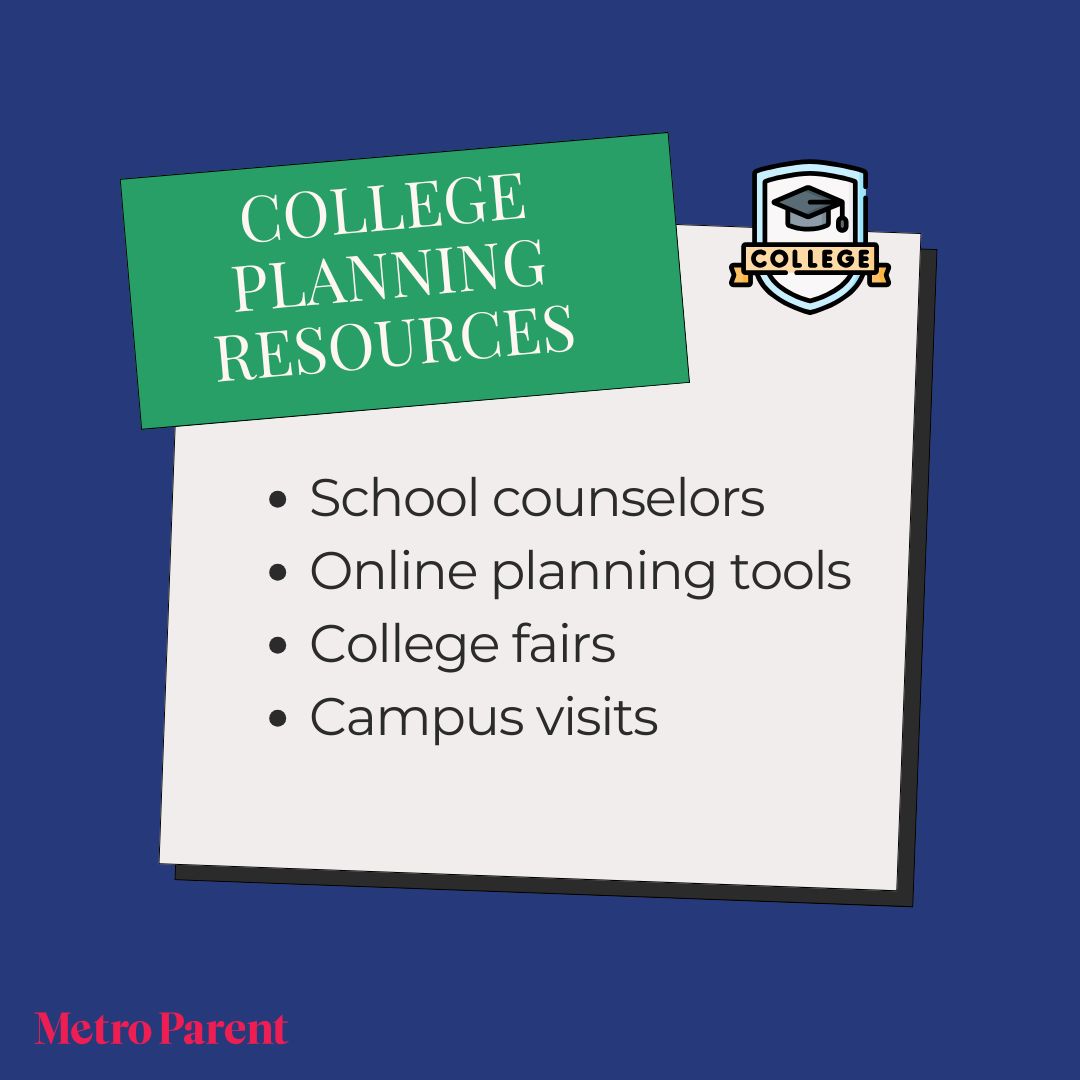
This choosing a college checklist isn’t about rushing your child into a decision. It’s about helping families ask better questions, compare options realistically, and focus on affordability, fit and outcomes.
College paths look different today than they did even a few years ago. By starting these conversations early and revisiting them often, Michigan parents can help their children make confident, informed choices that support both college success and long-term goals.
This content is sponsored by Michigan Education Savings Program. Learn more at misaves.org.
Find more articles like this at Metro Parent’s Making Your Child’s College Dreams Come True page.